Enhance Your Interior Design: Mastering Venetian Wall Plastering Explained
Venetian plastering represents an elegant craft that has remained relevant across centuries. Having emerged from ancient Rome and Venice, it combines stunning visual appeal with practical benefits. This distinguished craft turns walls into magnificent surfaces by way of a special mixture of components. As homeowners seek to enhance their interiors, understanding the nuances of Venetian plaster becomes essential. Yet what precisely renders this finish so sought after, and how can one ensure optimal outcomes?
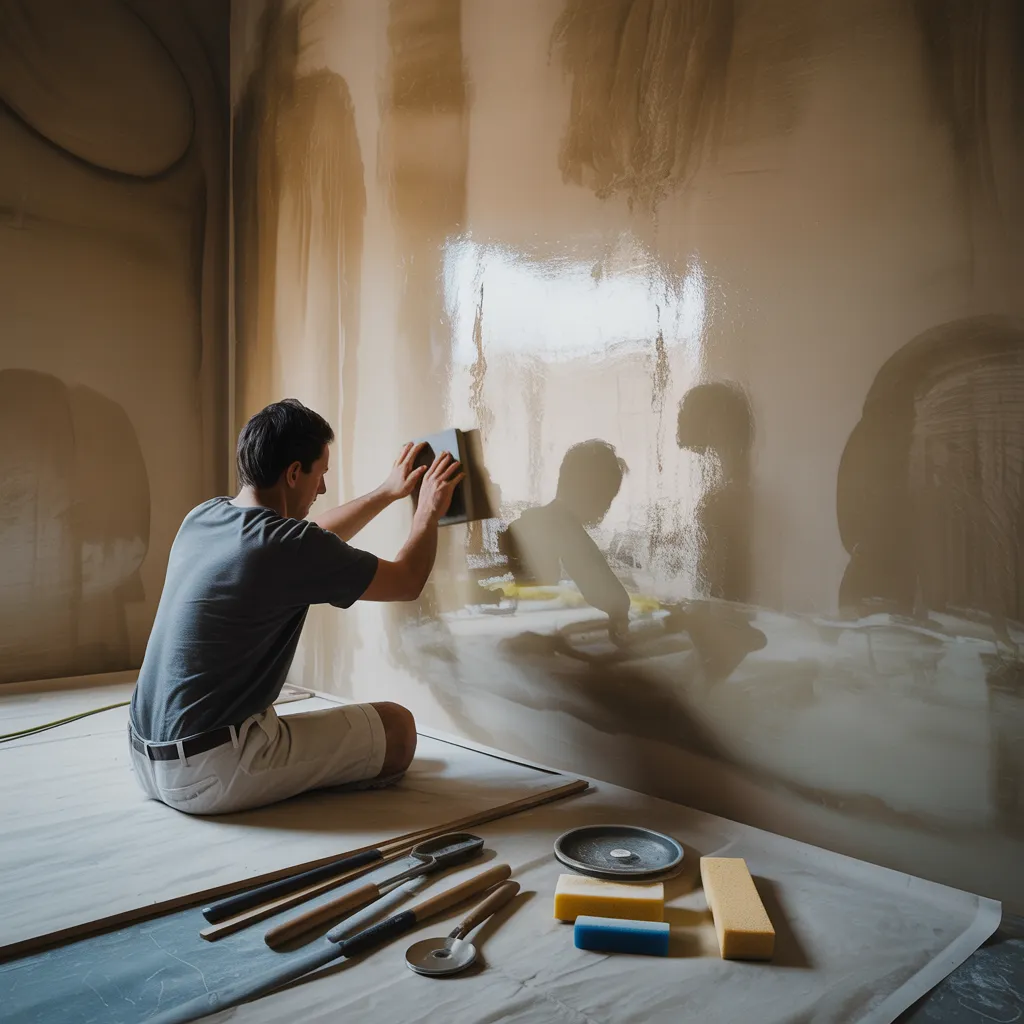
Examining the Art of Venetian Plaster: Background and Legacy
Venetian plaster, a well-known artistic technique, carries a distinguished history dating back to ancient Rome and Venice. Originally employed to produce a durable and water-resistant surface, this technique developed into a true art form, defined by its sleek, polished surface and radiant quality. Skilled artisans used a combination of lime, marble dust, and pigments, enabling a wide variety of textures and colors.
During the Renaissance, Venetian plaster rose to prominence as a hallmark of luxury and sophistication, often adorning the palaces and churches of the privileged class. Its significance extended beyond mere aesthetics; it embodied an excellence in artisanal skill and a deep reverence for beauty in architecture.
Today, this technique continues to inspire design professionals and homeowners, combining time-honored artistry with contemporary applications. Recognizing the historical background behind it enriches appreciation for Venetian plaster as something beyond a simple decorative option, but rather a manifestation of the timeless legacy of creative expression in interior spaces and design.
What Makes Venetian Plaster the Right Choice for Your Home?
Opting for Venetian plaster for interior spaces provides a remarkable aesthetic appeal that elevates the beauty of any space. Its lasting strength and resilience guarantee that the choice stands up over the years, while serving as an environmentally conscious choice complements sustainable living practices. Homeowners looking for a combination of sophistication and functionality may find Venetian plaster to be an excellent option.
Exceptional Aesthetic Allure
When seeking a unique look for interior spaces, residents often find that Venetian plaster offers a one-of-a-kind aesthetic appeal unmatched by any other wall treatment. This ancient technique, characterized by its smooth, glossy finish, inspires a sense of elegance and sophistication. The subtle variations in color and texture generate a dynamic visual experience, drawing the eye and helpful resource enhancing the character of any room. Venetian plaster can be applied in a selection of styles, from traditional to modern, allowing for customization that embodies personal taste. Its capacity to simulate the appearance of natural materials or create a soft, radiant glow brings character and coziness to indoor environments. As a result, Venetian plaster converts ordinary walls into impressive highlights, enhancing the overall design of a home.
Durability and Longevity
While many wall treatments may fade over time, Venetian plaster is renowned for its outstanding durability and longevity. This exquisite finish is composed of natural materials, offering a robust surface that can endure for generations. As opposed to standard paint, which may flake or deteriorate, Venetian plaster forms a solid bond with the wall, allowing it to preserve its quality for an extended period. Its special makeup allows it to withstand dampness and mildew, making it particularly suitable for areas exposed to high humidity levels. Additionally, the finish can be easily restored, requiring minimal maintenance to keep it maintaining its pristine appearance. Homeowners appreciate that this classic surface treatment not only improves the overall look but also delivers a reliable, enduring choice for interior spaces.
Sustainable Material Choice
Venetian plaster is not only celebrated for its durability but also for its eco-friendly characteristics. Made primarily from natural materials such as lime, marble dust, and pigments, it poses minimal environmental impact compared to synthetic alternatives. This all-natural composition enables breathability, which aids in controlling indoor humidity and boosting air quality. Moreover, Venetian plaster is devoid of harmful volatile organic compounds (VOCs), making it an ideal selection for homes, particularly for individuals with allergies or sensitivities. Its lasting nature further promotes sustainability, as it decreases the demand for frequent replacements or repairs. By choosing Venetian plaster, homeowners not only enhance aesthetics but also embrace a responsible, environmentally conscious material that aligns with modern sustainable living practices.
Primary Materials for Venetian Plastering
The artistry of Venetian plastering relies heavily on a carefully chosen set of materials that are responsible for its unique texture and durability. At its core, the composition typically includes slaked lime, which is vital for its suppleness and ventilation. This lime interacts with carbon dioxide in the air, allowing the plaster to harden over time. Moreover, marble dust is commonly blended in, offering a smooth texture that amplifies the decorative effect. The addition of natural pigments can additionally enhance the appearance, creating a broad palette of shades that harmonize with different interior settings.
In addition, premium tools, such as trowels, spatulas, and related implements, prove indispensable in attaining the intended results. The use of these materials and tools ultimately influences the plaster's handling characteristics and finished look, making them critical to the Venetian plastering process. Together, these factors create a classic outcome that marries beauty with functionality in interior design.
Applying Venetian Plaster: A Step-by-Step Guide
In the process of applying Venetian plaster, possessing the proper tools is crucial for a flawless result. This guide covers the key tools and application methods needed for a successful project. Understanding each step will guarantee a professional-quality result.
Necessary Tools Required
When it comes to applying Venetian plaster correctly, having the right tools is essential. The use of a stainless steel trowel is essential for producing smooth, uniform layers. Using a float, typically crafted from wood or plastic, assists in refining the surface texture and enhancing the final appearance. Additionally, a hawk allows for easy access to plaster while applying it to the wall. Using a sponge allows for subtle blending and finishing, resulting in a polished look. Using a level ensures that all surfaces stay even during the application. Finally, high-quality Venetian plaster and appropriate primer are necessary for peak adhesion and durability. Combined, these tools establish the groundwork for a flawless Venetian plaster application, guaranteeing an impressive outcome.
Application Methods Described
Attaining a flawless Venetian plaster finish demands a structured approach to execution. To begin, the surface should be adequately prepped, confirming it is clean, dry, and smooth. Subsequently, a base coat is applied using a trowel, establishing a uniform foundation. When fully dried, the artisan blends the Venetian plaster, reaching the desired color and texture. The application begins with a light layer, working the plaster in a circular motion to eliminate lines. Once the first coat has dried, subsequent coats are added, each time using reduced pressure to develop depth. Lastly, a burnishing technique is utilized to polish the surface, elevating the luster. Proper curing is essential, permitting the finish to set perfectly and guaranteeing longevity and beauty in the interior space.
How to Properly Care for Your Venetian Plaster
Looking after Venetian plaster demands a mindful approach to maintain its beauty and integrity. Regular maintenance includes gentle cleaning with a gentle damp cloth to remove dust and dirt without harming the finish. Residents must steer clear of harsh chemicals and abrasive materials, as such products can damage or dull the appearance.
Furthermore, it is important to track the humidity in the space; too much moisture can cause mold development or material breakdown. Applying a protective sealant or wax every couple of years can enhance durability and maintain the luster of the plaster surface.
If stains occur, prompt treatment is essential with a soft soap preparation, then rinsed thoroughly. For larger or more complex concerns, seeking professional advice is recommended to avoid further damage. Through consistent adherence to these guidelines, Venetian plaster can preserve its elegance as a timeless characteristic across a wide range of interior designs.
Critical Mistakes to Prevent When Choosing Venetian Plastering Professionals
What do homeowners need to think about when choosing Venetian plastering specialists? One common mistake is neglecting to check credentials and experience. Experts should possess appropriate certifications and a demonstrated history in Venetian plastering methods. Furthermore, homeowners frequently underestimate the importance of examining portfolios. A detailed assessment of completed work can reveal valuable information about a craftsman's approach and proficiency.
Another common pitfall is failing to obtain a number of bids. Comparing estimates ensures you receive fair pricing and reveals varying levels of service. Homeowners should also avoid rushing the hiring process; spending time inquiring about materials and techniques can reduce the likelihood of complications later on.
Lastly, it's vital to check the warranty details and timeline before beginning the job. By preventing these pitfalls, homeowners can guarantee a successful and satisfying Venetian plastering experience, improving their interior spaces successfully.
Common Questions and Answers
Can Venetian Plaster Be Applied Over Existing Paint or Wallpaper?
Certainly, Venetian plaster is able to be applied over existing paint or wallpaper, but proper preparation is essential. The wall surface must be thoroughly cleaned, and any loose particles removed to secure excellent adhesion along with a smooth finish.
What Is the Complete Drying Time for Venetian Plaster?
Venetian plaster usually needs 24 to 48 hours to cure completely, based on environmental conditions such as humidity and temperature. Proper ventilation can aid in the drying process, ensuring ideal results for the finish.
Is Venetian Plaster a Good Choice for Moisture-Prone Areas Like Bathrooms?
Venetian plaster is typically not advised for moisture-prone areas such as bathrooms as a result of its moisture-absorbing properties, which can result in mold development and surface degradation. Nevertheless, with proper sealing and ventilation, it is capable of performing well in these areas.
Can Venetian Plaster Be Painted Over if I Decide to Change It?
Venetian plaster is indeed capable of being painted over when necessary. However, it's essential to guarantee proper surface preparation and use compatible paints to maintain the finish's integrity and appearance, which will result in a smooth and successful outcome.
What Colors and Finishes Are Available for Venetian Plaster?
Venetian plaster features a broad spectrum of colors and finishes, ranging from soft pastels to bold hues and metallic finishes. The surface can be buffed to a glossy sheen or kept matte for a more understated look.